Is Las Vegas a Buyer's Market Now? What 4.7 Months of Inventory Means for Sellers

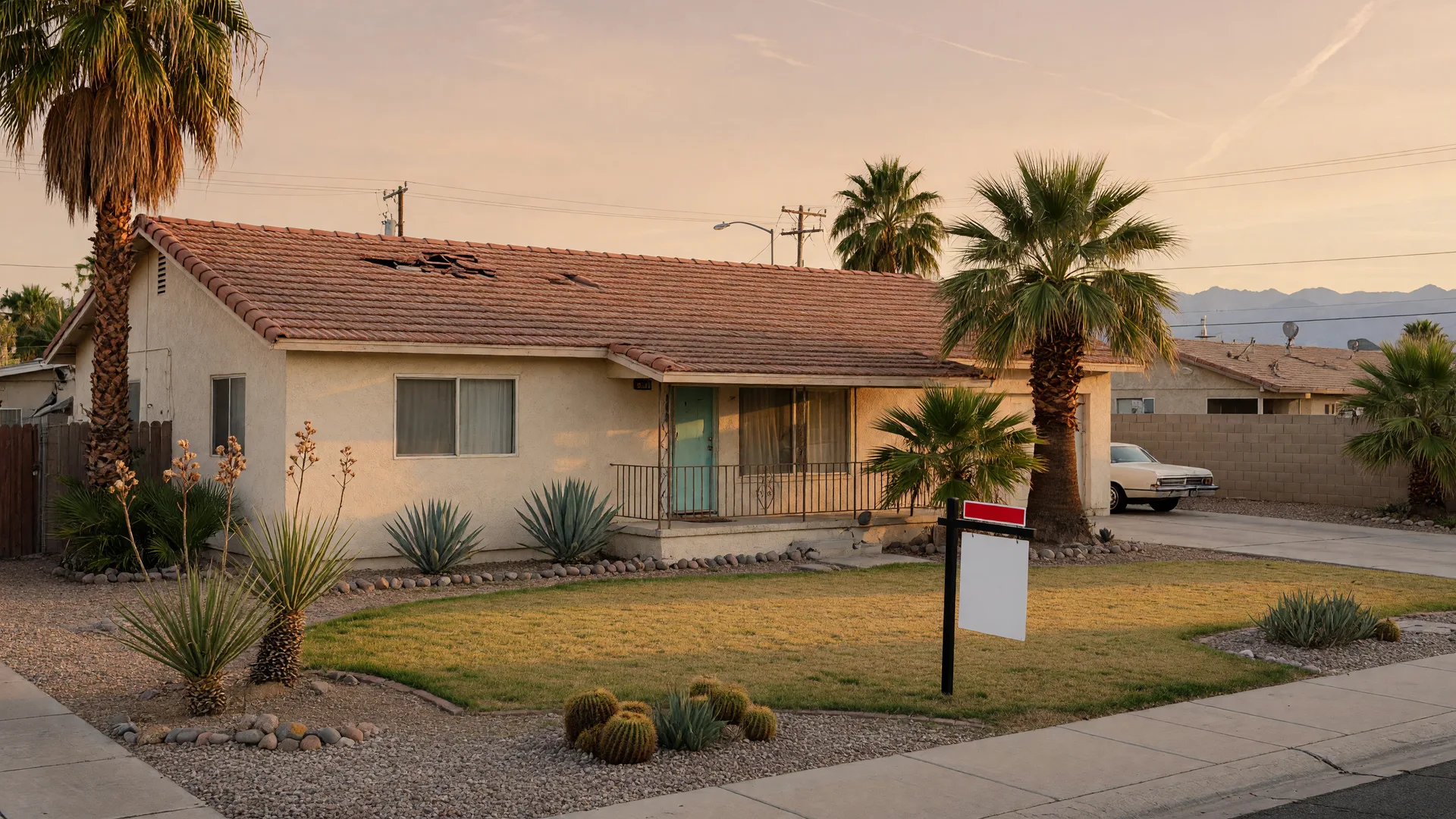
Is Las Vegas a buyer's market now? The honest answer is that it is the closest thing Southern Nevada has seen to one in years, and it is not a crash. Inventory sits near 4.7 months of supply, roughly double the level of a year ago, and about 43% of Las Vegas listings carry a price cut. Yet prices are only about 1% below the record set in May, and homes still sell in roughly a month. That combination, more choice and real negotiating room without a price collapse, is what a genuinely balanced market looks like. Here is what it means for sellers, and the playbook that protects your equity in it.
I get this question every week from homeowners in Summerlin, Henderson, and Centennial Hills, and the fear is understandable. For two decades, this market trained sellers to expect multiple offers and a quick close. When the tone shifts, it feels like a warning. The data says otherwise: this is a shift toward buyers, not a rout, and sellers who adapt to it get their homes sold at a number that holds up. The ones who refuse to adapt are the ones the headlines talk about.
What the Numbers Actually Say
Let me put the fall 2026 Las Vegas housing market in plain numbers, because the honest picture is more reassuring than the vibe:
- Median single-family price around $475,000, down roughly 1% from the May 2026 record of $490,000 and essentially flat year over year.
- Active inventory near 8,100 single-family listings, with months of supply around 4.7, near the upper end of the balanced 4 to 6 month range and roughly double the year-ago level.
- About 43% of listings carry a price cut, with a median reduction near $19,000. That is real, and it is the clearest sign of buyer leverage.
- Roughly 63% of closings come in below list, with sale-to-list ratios around 97% to 98%. Sellers are negotiating, not capitulating.
- Seller concessions are now standard, showing up in about 62% of closings, up from 48% a year earlier. Closing-cost credits and rate buydowns are the new normal, not the exception.
- Mortgage rates around 6.7% to 7%, which keeps rate-sensitive buyers careful but is no longer the shock that froze 2022.
The most important number is the last one about concessions, because it reframes the whole market. Buyers have real leverage, about a 6 out of 10 by most measures compared to a 2 out of 10 in 2022. But homes are still selling in 27 to 35 days. That is not a buyer's market in the way a headline makes it sound. It is a market where buyers finally have a seat at the table, and where sellers have to earn their price instead of waiting for a bidding war to set it.
The Honest Context: Why This Is Not a Crash
I have lived through the actual Las Vegas crash. I know what a falling market looks like, and this is not it. In a real downturn, prices fall for months, inventory stacks up far past balance, and sellers chase the market down for a year. None of that is happening here. Prices are roughly flat year over year, only a hair below the record set four months ago. Inventory, while higher, sits near the top of the balanced range, not deep into oversupply. And the demand underneath it is intact: Nevada has led the nation in job growth for months, and the valley still ranks among the most-searched metros for home buyers in the country.
The honest read is that Las Vegas is transitioning from a seller's market to a balanced one. For buyers, that is the opportunity. For sellers, it is a wake-up call that the strategy that worked in 2022 will not work now. The market is not broken. The playbook is what has to change.
What "Buyer's Market" Really Means for Sellers
A balanced market does not mean you should panic or accept a lowball. It means three things are now true that were not true a few years ago.
First, you have one real shot at the market's attention, and it is at the front. The first two weeks of a listing get the peak exposure, the strongest buyer traffic, and the best chance at a clean offer. A home that launches overpriced does not get a second chance at that window; it gets a price cut later, at a disadvantage. Price from day one off the last 60 to 90 days of closed sales in your neighborhood, not off a neighbor's spring listing or what you think you deserve.
Second, presentation and marketing now separate sold from sitting. In a market with 8,100 competing listings, staging, professional photography, and aggressive reach are not optional. This is exactly where my background works in a seller's favor. Through partnerships with Zillow, HomeLight, Google, and a buyer network built over 30 years, I put every home in front of a far larger audience than a single-sign strategy can reach. In a balanced market, the seller with the biggest audience wins the price.
Third, expect a longer timeline and plan for it. Budget 8 to 12 weeks instead of the two-week sprints of the boom. And be ready to negotiate not just price, but repairs, closing costs, and warranties. That is normal in 2026, and it is not a sign of weakness. It is the cost of doing business in a market that has finally tipped toward the buyer.
The Concession vs. Price Cut Decision
The single most strategic decision a Las Vegas seller faces right now is whether to cut the list price or offer a concession. The data points to a clear answer. About 43% of listings carry a price cut, and price cuts get you noticed, but they also set a lower comp for the entire street. A seller concession, a closing-cost credit or a 2-1 rate buydown worth 2% to 3% of the price, delivers the same effective value to a buyer without permanently dragging down the recorded sale price or the appraisal comparables.
In a market where 62% of closings already include a concession, the buyers who matter will ask for one. Deciding on it up front, as a marketing tool, is far more powerful than giving it away late under pressure. You control the narrative. A strategic concession gets your home sold on your terms; a reactive price cut after 45 days on market gets it sold on the buyer's. That distinction is where advanced negotiation training pays for itself.
What This Means for Buyers
For buyers, this is the most favorable Las Vegas market in years, and the window is worth using with intention. You have negotiating room that did not exist in 2022, and the leverage to ask for closing costs, a rate buydown, or repair credits without killing the deal. With rates in the high 6s to 7%, a seller-paid buydown can cut your monthly payment meaningfully, and in a concession-heavy market it is on the table.
My advice to buyers is the same as it is to sellers: lead with data, not emotion. Tour with the latest closed comps in hand, know what the home is worth rather than what the asking price claims, and put together an offer that is competitive enough to close but sharp enough to protect you. In a balanced market, a well-prepared buyer does not overpay, and a well-prepared seller does not undersell. The preparation is the whole game.
The Bottom Line
So is Las Vegas a buyer's market now? Yes, in the sense that matters: more inventory, more price cuts, and real negotiating leverage. No, in the sense that matters more: prices are roughly flat, homes still sell in about a month, and the demand underneath the valley has not broken. What has changed is the strategy that works. Sellers who price from day one, present at their best, market to the widest audience, and use concessions strategically will protect their number. Sellers who wait will not.
If you are thinking about selling in Summerlin, Henderson, Centennial Hills, or anywhere in the Las Vegas valley, I would rather show you the honest comps than promise you a number. We can look at what homes like yours actually sold for in the last 90 days, build a pricing and marketing plan around that data, and decide together whether a concession makes sense for your situation. That is what 30 years in this market buys you: a plan built on what is really happening, not what you hope is happening. Schedule a no-obligation consultation and let's put the numbers to work for you.
For Agent Image / WordPress (tmtluxury.com)
Las Vegas Housing Market Fall 2026: Is It a Buyer's Market?
Inventory is near 4.7 months, about 43% of listings carry price cuts, and homes still sell in about a month. A 30-year veteran's seller playbook for the fall 2026 market.
/las-vegas-buyer-leverage-fall-2026
Different phrasing and a unique slug avoid duplicate SEO penalties when the same content lives on both domains.
For Lofty CRM
Is Las Vegas a Buyer's Market? A Seller's Guide
Near 4.7 months of inventory and record buyer leverage. How sellers win in fall 2026 Vegas.
/vegas-buyer-market-2026
Shorter, punchier title and description optimized for Lofty blog posts that double as email drip content.
Over 30 years of Las Vegas real estate experience. Master Certification in Negotiation. Strategic partnerships with Zillow, HomeLight, Veterans United, Google, and Dave Ramsey's referral network.
Full Bio
Selling into a buyer-leaning market? Let's price it like it.
Javier builds every listing around the latest closed comps, honest pricing, and the widest possible buyer audience. Schedule a no-obligation consultation and protect your number.
Talk to Javier