$350M in Data Center Investment: How Las Vegas's Tech Infrastructure Boom Is Reshaping Housing Demand

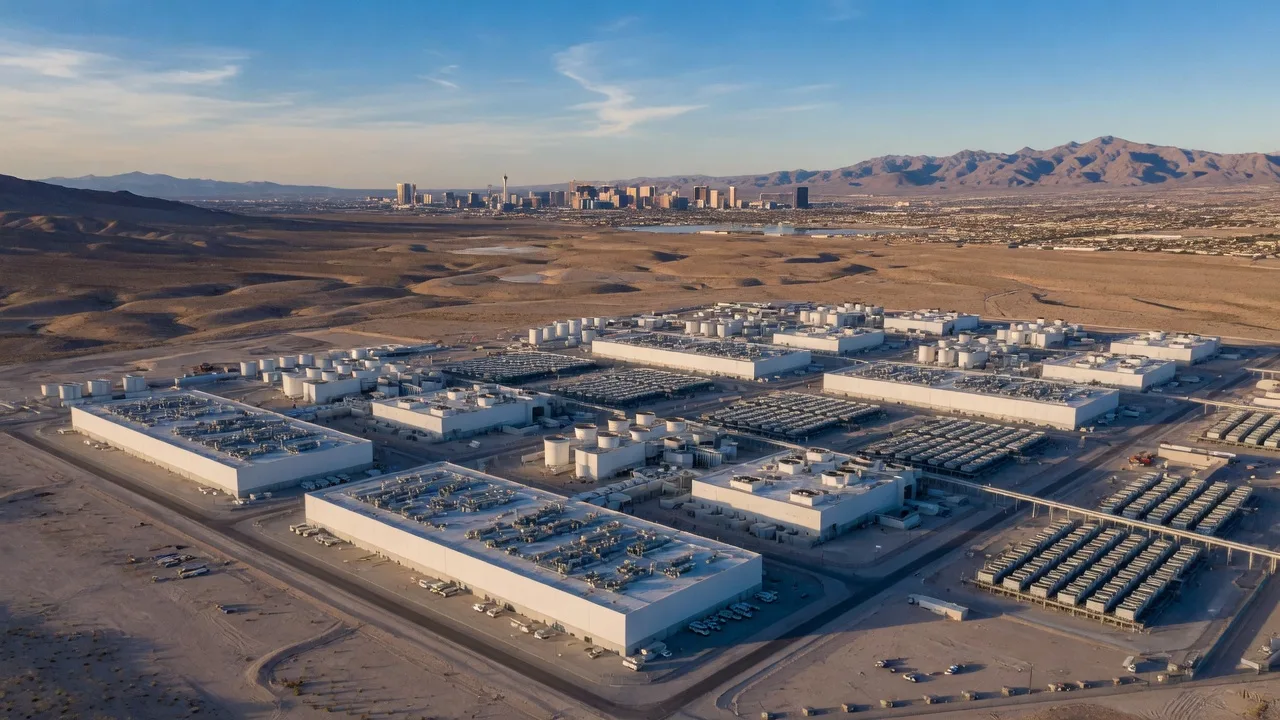
There is a construction boom happening in the Las Vegas valley that has nothing to do with casinos, convention centers, or resort towers. It is quieter than the Strip headlines, but its impact on the local housing market may be even more significant. Data center investment in Southern Nevada has crossed $350 million in new funding this year alone, with millions of additional square feet of technology infrastructure either under active construction or in the planning pipeline. And the housing demand that follows this kind of capital investment is only beginning to materialize.
For anyone tracking Las Vegas real estate — whether as a buyer, seller, or investor — understanding the data center boom is not optional. It is a leading indicator of where jobs, salaries, and population growth are headed. And those are the three forces that drive every housing market decision I have made in over 30 years of working this valley.
The Numbers Behind the Boom
In June 2026, TensorWave, a Las Vegas-based artificial intelligence startup, secured $350 million in funding to expand its data center footprint in the region. That single raise represents one of the largest technology investments in Nevada history, and it signals that institutional capital sees Las Vegas as a viable — and increasingly competitive — market for high-performance computing infrastructure.
But TensorWave is not operating in isolation. The Henderson Industrial Corridor currently has approximately 2.5 million square feet of data center space under active construction, with an additional 5.1 million square feet in the planning and permitting stages. Companies including Switch, Vantage Data Centers, and STACK Infrastructure are all expanding their Southern Nevada operations. When you add these projects together, you are looking at a technology infrastructure buildout that rivals anything happening in traditional tech corridors like Northern Virginia or the Dallas–Fort Worth metro.
The scale of this investment matters because data centers are not just buildings — they are economic engines. A single large-scale data center facility creates hundreds of construction jobs during the build phase, dozens to hundreds of permanent technical and operations positions once online, and significant ancillary demand for housing, retail, and services in the surrounding area. When you see 7.6 million square feet of data center space either built or planned in the Henderson corridor alone, you are looking at a multi-billion-dollar economic commitment that will reshape employment patterns across the eastern valley.
It Is Not Just Data Centers — The Broader Diversification Story
The data center surge is the most visible piece of a larger economic transformation that the Las Vegas Global Economic Alliance has been driving for years. In June 2026, LVGEA launched a new three-year strategic plan targeting five key industries for regional growth: technology, advanced manufacturing, clean energy, logistics, and healthcare. This is not aspirational marketing language. These are sectors where actual companies are making actual investment decisions, and the results are already showing up in employment data.
Dot Ai, a Las Vegas technology startup, went public on the stock market in June 2026 under the ticker DAIC — a milestone that puts Las Vegas on the map as a city that produces, not just attracts, technology companies. StartUpNV, the nonprofit startup incubator, began managing the International Innovation Center in downtown Las Vegas, creating a physical hub for entrepreneurial activity that has historically been concentrated in coastal cities.
What all of these developments share is a common trajectory: capital flows in, companies expand, high-paying jobs are created, and those jobs generate housing demand. The average salary in Las Vegas technology positions now exceeds $90,000 annually, and many data center engineering and operations roles pay significantly more. These are not hospitality wages. These are professional salaries that create a buyer demographic capable of absorbing homes at current price points in Henderson, Summerlin, and throughout the valley.
The Infrastructure That Makes It Possible
One of the underreported stories supporting this growth is the infrastructure investment that makes Las Vegas viable for large-scale technology operations. In late May 2026, Nevada lawmakers announced the construction of a new water pipeline designed to improve water reliability for the Las Vegas valley — a critical commitment given the long-standing concerns about water availability in the desert Southwest. The first phase of construction is expected to begin before the end of 2026.
Water infrastructure is the kind of investment that separates serious long-term growth markets from speculative ones. When the state commits billions to water reliability, it is telling institutional investors and technology companies that Las Vegas is prepared to support growth for decades, not just years. That confidence matters when a company like TensorWave is deciding where to deploy $350 million in capital.
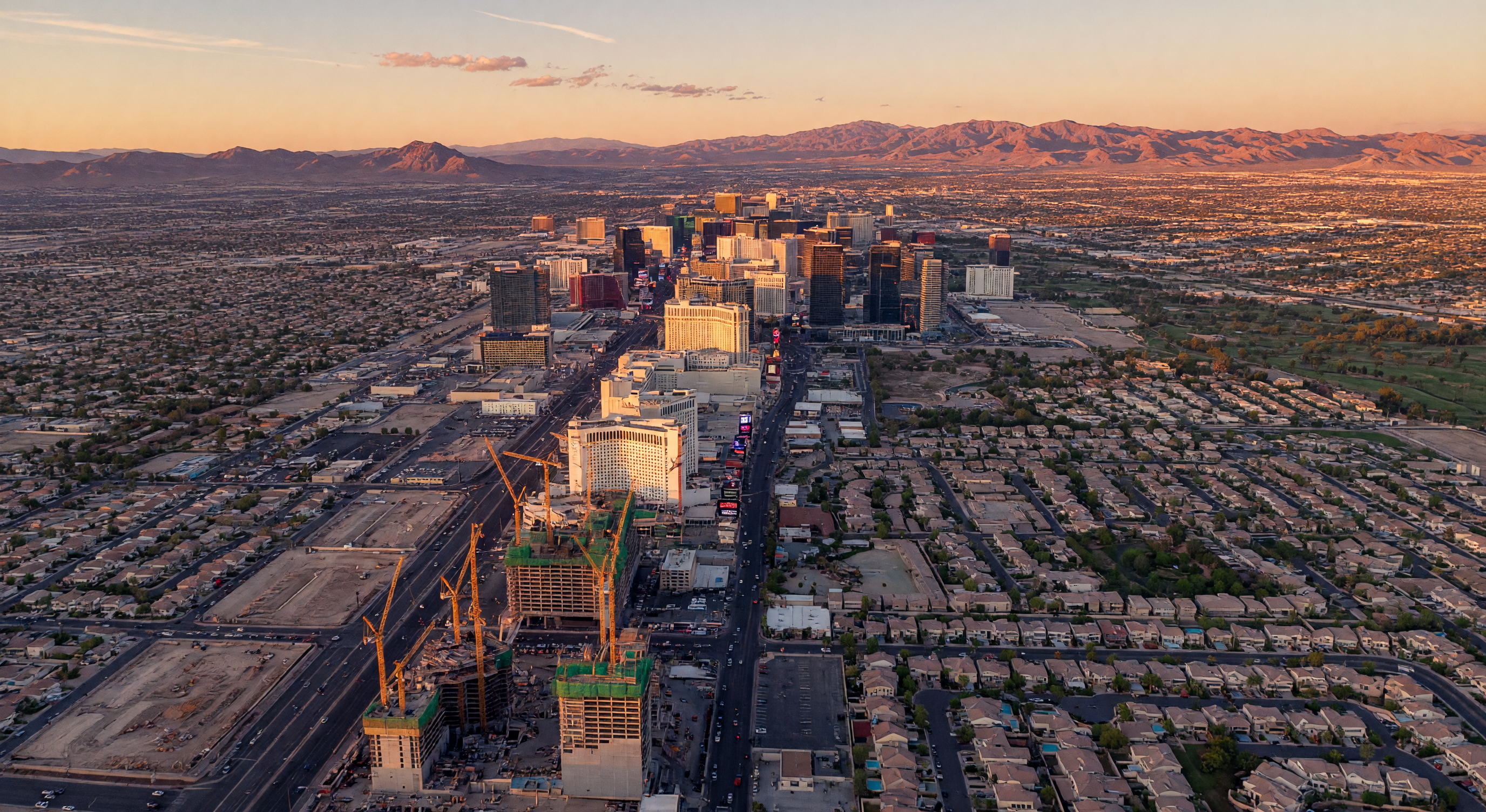
Beyond water, the transportation and entertainment infrastructure pipeline continues to expand. The Brightline West high-speed rail project connecting Las Vegas to Southern California is targeting a 2028 opening. The Oakland Athletics' new ballpark at the former Tropicana site is in active construction with a 2028 MLB season target. The Hard Rock guitar-shaped hotel tower continues rising on the Strip. Each of these megaprojects creates construction employment, attracts tourism, and reinforces the narrative that Las Vegas is investing in its own future at a pace that few American cities can match.
What This Means for the Housing Market
The connection between data center investment and housing demand is not theoretical. It follows a pattern I have watched play out in markets across the country, and increasingly in Las Vegas itself. The sequence works like this: major employers announce expansion, the labor market tightens around specific skill sets, relocation packages bring new residents to the area, and those residents need homes — first as renters, then increasingly as buyers.
In Henderson, where the bulk of data center construction is concentrated along the industrial corridor, the housing market is already feeling the downstream effects. New communities in the eastern and southern portions of the city are seeing increased foot traffic from relocating professionals who work in technology, logistics, and advanced manufacturing. The demand is not yet at the level that creates bidding wars — inventory is still elevated at roughly 3.5 to 4 months of supply — but the trajectory is clear.
Summerlin and Centennial Hills are also positioned to benefit. These master-planned communities offer the lifestyle amenities — newer construction, good schools, outdoor recreation access, and proximity to employment corridors — that technology professionals relocating from California and other high-cost markets prioritize. As data center jobs continue to materialize, these communities will attract buyers who want to be close to their workplace but prefer a residential environment over an industrial one.
The current mortgage rate environment adds an interesting wrinkle to this dynamic. Rates are holding in the 6.4 to 6.6 percent range as of early July 2026, which moderates but does not eliminate buyer demand. For relocating professionals with household incomes above $100,000 — a common profile in the data center and technology workforce — current rates are manageable, especially with the seller concessions, rate buydowns, and builder incentives that are widely available in today's market.
The Population Numbers Tell the Story
The Las Vegas metro area population has reached an estimated 3.04 million as of mid-2026, with annual growth of approximately 1.37 percent. That growth rate has moderated from the explosive 2 to 2.3 percent annual increases seen during the peak pandemic-era migration, but it remains healthy and — critically — it is being driven increasingly by employment-based relocation rather than pure cost arbitrage.
This shift matters because employment-driven migration creates more stable housing demand. Families relocating for a six-figure data center job tend to be longer-term residents than those who moved to Las Vegas primarily because it was cheaper than California. They buy homes faster, invest more in their communities, and generate the kind of sustained demand that supports property values through market cycles.
Clark County is now adding approximately 40,000 to 45,000 net new residents annually. Not all of them will buy homes immediately, but the demand pipeline is substantial. When you combine organic population growth with the high-salary job creation that data centers and technology companies are generating, you get a housing demand forecast that supports current price levels and likely pushes them higher over the next three to five years.
The Investment Opportunity
For real estate investors, the data center boom creates a specific and actionable thesis. Properties within a 15-to-20-minute commute of the Henderson Industrial Corridor, the southwest data center cluster, and the growing technology employment hubs in Summerlin are positioned for above-average appreciation and rental demand. The key is identifying neighborhoods where new employment nodes intersect with limited new residential supply.
The rental market in these corridors is particularly interesting. Data center workers — especially those in temporary or contract positions during construction and ramp-up phases — often prefer to rent for the first 12 to 18 months before committing to a purchase. This creates a reliable tenant pool with above-average incomes and a preference for quality housing near their workplace. Investors who acquire well-positioned single-family homes or townhouses in these areas now can benefit from strong rental yields while the longer-term appreciation thesis plays out.
The numbers work best in the $350,000 to $500,000 price range, where a 20 percent down payment at current rates produces monthly costs that can be supported by rents in the $2,200 to $3,000 range depending on the property and location. That is not the screaming cash flow of the sub-4 percent rate era, but it is a solid long-term investment backed by real employment growth and real infrastructure commitment.
What Buyers and Sellers Should Know
For buyers in Henderson, Summerlin, and Centennial Hills: the data center boom is your long-term tailwind. It means the neighborhoods you are buying in today will have growing employment bases, rising incomes, and sustained demand for years to come. The current market — with elevated inventory, available concessions, and rates trending favorably — is the right time to position yourself before the next wave of demand materializes as these projects come online.
For sellers: the story of Las Vegas economic diversification is a marketing asset. When you are competing for buyer attention against 7,000 to 8,000 active listings, the narrative around your property matters. A home in Henderson that is 10 minutes from a major data center campus, a growing technology employment hub, or a new commercial development is not just a house — it is a strategic purchase. Make sure your listing communicates the location advantages that the data supports.
For everyone: the Las Vegas economy is changing in ways that favor long-term property ownership. The days of relying solely on tourism and gaming to drive the local economy are behind us. The data center boom, the LVGEA strategic plan, the tech startup ecosystem, and the infrastructure investments underway are building a more diversified, more resilient, and ultimately more valuable Southern Nevada. Owning property in a market with this kind of economic trajectory is not a gamble. It is a calculated bet backed by hundreds of millions in real investment.
The Bottom Line
When a single company raises $350 million to expand data center operations in your market, that is news. When 7.6 million square feet of data center space is under construction or in the planning pipeline across your industrial corridor, that is a trend. And when that trend is supported by state-level infrastructure investment, a regional economic diversification strategy, and population growth of 40,000 to 45,000 new residents per year, that is a structural shift in the economic foundation of your housing market.
I have been navigating Las Vegas real estate for over 30 years, and the markets that reward long-term owners are the ones where job growth is real, diversification is genuine, and infrastructure investment backs up the promises. Las Vegas checks all three boxes right now. If you want to talk through how these economic forces affect your specific real estate goals in Henderson, Summerlin, Centennial Hills, or anywhere in the Las Vegas valley, I am available for a consultation. Three decades of experience taught me that the best time to act is when the data is clear and the trajectory is set — which is exactly where we are today.
For Agent Image / WordPress (tmtluxury.com)
Data Center Boom Drives Las Vegas Housing Demand — 2026 Market Analysis
$350M in tech investment is fueling Las Vegas job growth and housing demand. See how data centers in Henderson are reshaping the real estate market.
/henderson-data-centers-las-vegas-housing-2026
Different phrasing and slug avoid duplicate SEO penalties when cross-posted to tmtluxury.com.
For Lofty CRM
Vegas Tech Boom = More Buyers. Here's What's Coming.
$350M in data center investment is bringing high-paying jobs to Las Vegas. What it means for home buyers in 2026.
/vegas-tech-boom-buyer-opportunity
Shorter, punchier format optimized for Lofty blog posts that double as email drip content.
Over 30 years of Las Vegas real estate experience. Master Certification in Negotiation. Strategic partnerships with Zillow, HomeLight, Veterans United, Google, and Dave Ramsey's referral network.
Full Bio
Capitalize on Las Vegas's growth trajectory
Whether you are buying, selling, or investing, the data center boom creates real opportunity. Talk strategy with Javier today.
Talk to Javier