HOA Due Diligence: What Every Las Vegas Buyer Must Check Before Making an Offer

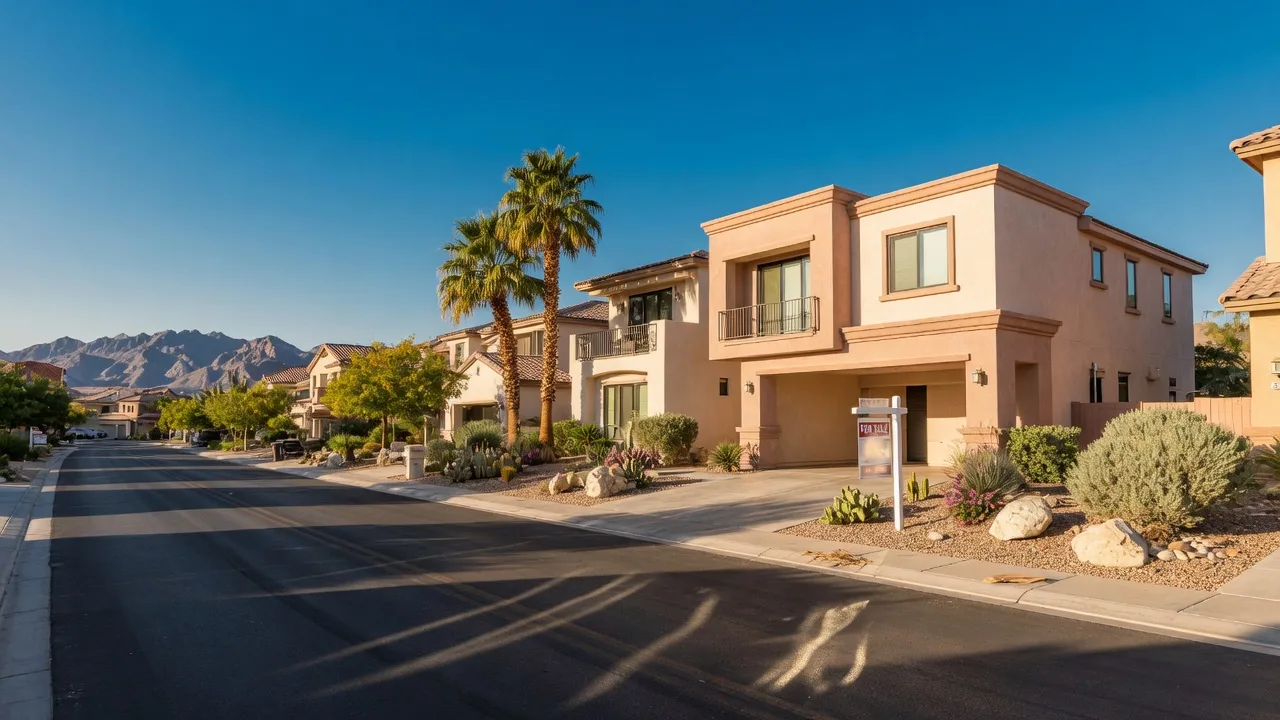
In the Las Vegas valley, roughly 80 percent of all residential properties sit within a homeowners association. That number is even higher in master-planned communities like Summerlin, Henderson's Green Valley and Cadence, and the newer developments in Centennial Hills. If you are buying a home in Las Vegas, there is an overwhelming chance that you are buying into an HOA. And yet, the HOA is the part of the transaction that most buyers spend the least time investigating.
I have watched deals collapse after inspection because a buyer discovered a $12,000 special assessment buried in the HOA financials. I have seen buyers close on a home in Summerlin only to learn that their HOA prohibits the very short-term rental strategy they purchased the property to execute. I have seen monthly fees that looked manageable on paper balloon by 30 percent within the first year of ownership because the association's reserve fund was underfunded by hundreds of thousands of dollars. These are not rare scenarios. They are predictable outcomes of skipping the due diligence that protects your investment.
After 30 years of buying and selling in communities throughout Las Vegas, Henderson, Summerlin, and Centennial Hills, I have developed a systematic approach to HOA evaluation that I run on every property before my clients make an offer. Here is the checklist, broken down into the seven areas that matter most and the specific red flags that should make you pause.
1. The Financial Statements: Where the Real Story Lives
Every HOA is required to provide financial documents upon request, and in Nevada, buyers have a statutory right to receive these documents during the transaction. The key documents are the annual budget, the balance sheet, the reserve study, and the most recent audit or reviewed financial statements. These documents tell you whether the association is financially healthy or one special assessment away from crisis.
The reserve study is the single most important document. A reserve study evaluates the condition and remaining useful life of every major component the HOA is responsible for: roofing, paving, pools, spas, fitness centers, landscaping, paint, elevators, and common area structures. The study calculates how much money the association needs to have in reserve to fund those replacements as they come due. A well-funded reserve is typically at 70 percent or above of the fully funded amount. Anything below 50 percent is a warning signal. Below 30 percent means the association is heading toward major special assessments.
Here is what underfunded reserves look like in dollar terms. If an HOA in Henderson has a $2.4 million reserve requirement and holds only $600,000 in reserves, that is a $1.8 million gap. Spread across 200 homes, that translates to a potential special assessment of $9,000 per unit. If the association finances that gap through a loan, the monthly payment gets baked into your dues, and your $280 per month HOA fee quietly becomes $350 or more. Either way, you are paying for the previous owners' deferred maintenance.
The budget tells you how the association spends money and whether dues are likely to increase. Look at the line items. If the landscaping budget has jumped 25 percent year-over-year, expect a dues increase next cycle. If the insurance line item has nearly doubled, which is happening across Las Vegas due to rising property insurance costs, that increase is being passed through to you. The budget is a preview of your future monthly costs.
2. Monthly Dues: What You See Is Rarely What You Pay
HOA dues in the Las Vegas valley vary dramatically by community and property type. A basic single-family home community in Centennial Hills might charge $80 to $150 per month. A master-planned Summerlin community with pools, parks, trails, and a community center might charge $200 to $400. Guard-gated communities in Henderson or the upscale neighborhoods in The Ridges can run $500 to $1,200 per month. Luxury high-rises on or near the Strip can exceed $1,500.
The number you see on the listing is the current assessment. The number you need to understand is the projected assessment over the next three to five years. Ask the HOA management company for the history of dues increases over the last five years. A community that has raised dues 5 to 8 percent annually is on a trajectory that will significantly affect your total housing cost. On a $280 monthly fee, a 7 percent annual increase means you will be paying $392 per month within five years. That is $1,344 more per year than what the listing advertised.
Also ask whether any special assessments are pending or anticipated. A special assessment is a one-time charge levied on all homeowners to cover an unexpected expense or a reserve shortfall. In Las Vegas, special assessments most commonly arise from roof replacements, pool resurfacing, parking lot repaving, exterior paint projects, and elevator modernization in high-rises. A single special assessment can range from $1,000 to $25,000 or more, depending on the scope of work and the size of the community.
3. The Rules and Restrictions: Read the CC&Rs Like a Contract
The Covenants, Conditions, and Restrictions document is the rulebook for the community. It governs what you can and cannot do with your property. Most buyers skim the CC&Rs or do not read them at all. That is a mistake. The CC&Rs contain provisions that directly affect your use of the property, your ability to generate rental income, and even the color you can paint your front door.
Here are the specific provisions that matter most in Las Vegas:
Rental restrictions. If you are purchasing an investment property, this is the first thing to verify. Many Las Vegas HOAs limit or prohibit short-term rentals. Some communities require a minimum lease term of 30 days. Others require a minimum of 12 months. Some cap the percentage of units in the community that can be rented at any given time, meaning even if rentals are technically allowed, there may be a waitlist. Nevada law has evolved on this topic, and the intersection of state statute, county regulations, and HOA restrictions is complex. Verify the rental rules in writing before you commit.
Pet policies. Some HOAs restrict the number of pets, the size of pets, or the breeds allowed. In luxury communities, it is not uncommon to see weight limits of 25 pounds or breed restrictions that affect German Shepherds, Rottweilers, or other common breeds. If you have pets, verify the rules before closing.
Modification restrictions. Want to install solar panels, build a patio cover, add a pool, change your landscaping, or park an RV in your driveway? The CC&Rs dictate what architectural modifications are allowed and what approval process you must follow. Some communities require architectural review board approval for exterior changes, and the process can take 30 to 60 days. Others prohibit certain materials, colors, or designs outright.
Parking and vehicle restrictions. Many Las Vegas HOAs restrict the parking of commercial vehicles, boats, trailers, and RVs on the property or in visible areas. If you own a boat or an RV — common in a valley where Lake Mead is 30 minutes away — verify whether you can park it at your home or if you will need off-site storage.
4. Pending Litigation: The Hidden Liability
This is the due diligence item that surprises the most buyers. HOAs can be involved in lawsuits, and when they are, every homeowner in the community shares in the liability. Ask the HOA directly whether the association is currently involved in any litigation, and request the details in writing.
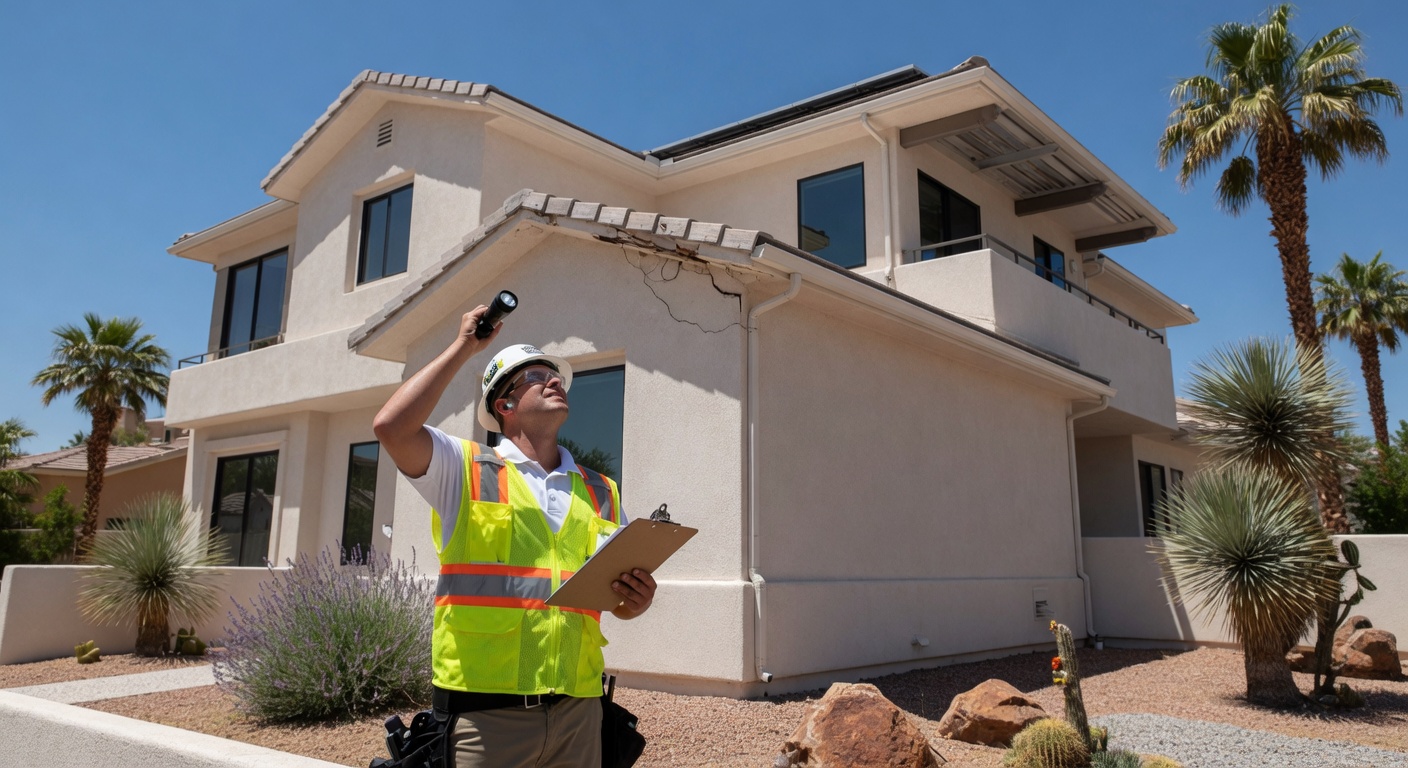
Common HOA litigation in Las Vegas includes disputes with builders over construction defects, lawsuits from homeowners challenging assessment increases, and claims related to personal injury on common area property. Construction defect litigation is particularly common in newer communities where defects in stucco, roofing, or plumbing systems have emerged after the builder's warranty period.
If the HOA is involved in active litigation, there are two practical consequences for buyers. First, the outcome of the litigation may result in a special assessment if the association incurs legal fees or if a judgment is entered against the association. Second, some lenders will not approve a mortgage in a community with pending litigation, which limits your buyer pool when it is time to sell. In the worst case, Fannie Mae and Freddie Mac may place the entire community on a watch list, making it difficult or impossible for any buyer to obtain conventional financing.
5. Insurance Coverage: What the HOA Covers and What It Does Not
Understanding the HOA's insurance structure is essential because it determines what coverage you need to purchase individually. HOA insurance typically covers the exterior of the building, common areas, and liability for shared spaces. What it does not cover is the interior of your unit, your personal property, your liability within your home, and in many cases, certain exterior elements like fences, patios, and detached structures.
In Las Vegas, the insurance landscape has shifted dramatically in recent years. Rising replacement costs, increased wildfire risk in foothill communities, and water damage claims have pushed HOA insurance premiums higher across the valley. Many associations have responded by increasing their assessments to cover insurance cost increases, and some have raised their deductibles, which means individual homeowners may face higher out-of-pocket costs when a claim is filed.
Ask the HOA for a copy of their master insurance policy declaration page. Verify what is covered, what the deductible is, and whether the policy includes loss assessment coverage. Loss assessment coverage is a provision in your individual HOA insurance policy that protects you if the HOA levies a special assessment to cover an insurance deductible or an uninsured loss. Without it, you could be responsible for your share of a $50,000 or $100,000 common area repair.
6. The Community's Physical Condition: Drive the Property
No amount of paper due diligence replaces a physical inspection of the community. Visit the property at different times of day. Walk the common areas. Look at the condition of the landscaping, the paint on the buildings, the state of the parking surfaces, the cleanliness of the pools and spas, and the functionality of the common area amenities.
In Las Vegas, where the desert climate is harsh on exterior surfaces, the physical condition of the community tells you a lot about how well the HOA is managed. Faded paint on building exteriors, cracked or deteriorating parking surfaces, overgrown or dying landscaping, and poorly maintained pool areas are all indicators that the association may be underfunded or poorly managed. These are the communities where special assessments tend to materialize.
Conversely, a well-maintained community with fresh paint, clean common areas, and manicured landscaping indicates that the HOA is collecting sufficient dues, maintaining its reserves, and managing its contractors effectively. In my experience, the quality of HOA management is one of the strongest predictors of long-term property value appreciation within a community.
7. The Management Company: Who Is Running the Show
HOAs are governed by a volunteer board of homeowners, but the day-to-day operations are typically managed by a professional management company. The quality of that management company has an outsized impact on your experience as a homeowner. A well-managed HOA responds to maintenance requests promptly, enforces the CC&Rs consistently, maintains transparent financial records, and plans for long-term capital needs. A poorly managed HOA lets common areas deteriorate, allows violations to go unenforced, and delays critical maintenance.
Ask the HOA board or management company how long the current management company has been in place. Frequent management company turnover is a red flag. Ask about the process for filing a complaint or maintenance request and how quickly issues are typically resolved. If possible, speak with a current homeowner in the community and ask about their experience with the HOA. The unfiltered perspective of a resident is more valuable than anything you will find in the management company's marketing materials.
The Due Diligence Timeline: When to Do This Work
In a typical Las Vegas transaction, the due diligence period runs 7 to 14 days after the offer is accepted, depending on the terms of the purchase agreement. That is your window to review the HOA documents, inspect the community, and decide whether to proceed, negotiate, or withdraw. In Nevada, buyers who purchase in an HOA community receive a disclosure package that includes the CC&Rs, bylaws, financial statements, and other governing documents. You have the right to review these documents and cancel the transaction if you are not satisfied, provided you do so within the review period specified in the purchase agreement.
The mistake many buyers make is treating the HOA document review as a formality rather than an investigation. The disclosure package is often 100 to 200 pages long, and most buyers do not read it carefully. I recommend setting aside two to three hours specifically for the HOA documents, ideally with a checklist in hand. If you are not comfortable reviewing the financial statements yourself, hire a real estate attorney or a professional reserve study analyst. The cost of that review, typically $300 to $500, is negligible compared to the cost of a surprise special assessment.
How This Affects Your Total Housing Cost
The reason this due diligence matters so much in the current Las Vegas market is that housing affordability is already stretched. With median home prices around $472,000 and mortgage rates in the 6.3 to 6.6 percent range, buyers are allocating a significant portion of their monthly income to principal, interest, taxes, and insurance. An HOA fee that is $100 higher than expected, or a special assessment that arrives six months after closing, can turn a comfortable housing payment into a financial strain.
Here is a realistic example. A buyer purchases a home in a Henderson community at $485,000 with a 6.43 percent mortgage rate and a 20 percent down payment. The monthly PITI payment is approximately $2,780. The listing showed HOA dues of $185 per month. But the buyer did not review the reserve study. Eight months after closing, the HOA levies a $6,500 special assessment to fund a roof replacement project. The monthly HOA dues also increase by $45 to cover the loan payments for the reserve shortfall. The buyer's actual monthly housing cost is now $3,010, not $2,965 as projected. That $45 monthly increase and the one-time $6,500 assessment were entirely avoidable with proper due diligence.
In communities where reserves are critically underfunded, the financial exposure is much larger. A buyer who purchases in a community with a 25 percent reserve funding level should expect multiple special assessments over the next five to ten years as major components reach the end of their useful life. On a $2.4 million reserve gap spread across 200 homes, the total exposure is $12,000 to $15,000 per unit over a decade. That is not a number most buyers consider when they see a monthly HOA fee of $200.
My Recommendation: Make HOA Due Diligence Part of Your Offer Strategy
The best time to evaluate an HOA is before you make an offer, not after. If the listing does not include HOA details, ask your agent to request the disclosure package before you submit your offer. Review the reserve study, the financial statements, and the CC&Rs. If anything raises concern, factor that into your offer price or negotiate a purchase agreement that gives you extended time to review the HOA documents.
In the current Las Vegas market, where inventory is elevated and sellers are motivated, you have more leverage to make your offer contingent on satisfactory HOA review than you have had in years. Use that leverage. The cost of five hours of research is trivial compared to the cost of a six-figure financial commitment in a community that is heading toward crisis.
I run this full due diligence process on every transaction I represent. If you are considering purchasing a home in Las Vegas, Henderson, Summerlin, or Centennial Hills, I can review the HOA financials and governing documents with you and translate the data into a clear assessment of the risks and costs involved. Thirty years of working in these communities has given me an intimate understanding of which associations are well-run, which are underfunded, and which carry hidden liabilities that do not show up in the listing photos.
For Agent Image / WordPress (tmtluxury.com)
Las Vegas HOA Guide: Fees, Reserves, and Red Flags Every Buyer Should Know
Don't let a Las Vegas HOA surprise you with hidden costs. A 30-year veteran breaks down the financials, rules, and red flags to check before you buy.
/las-vegas-hoa-guide-buyers-red-flags
Different phrasing and slug avoid duplicate SEO penalties when cross-posted to tmtluxury.com.
For Lofty CRM
HOA Red Flags Every Vegas Buyer Must Check First
HOA fees and special assessments can cost you thousands. Here's what to check before buying in any Vegas community.
/hoa-red-flags-vegas-buyers
Shorter, punchier title and description optimized for Lofty blog posts that double as email drip content.
Over 30 years of Las Vegas real estate experience. Master Certification in Negotiation. Strategic partnerships with Zillow, HomeLight, Veterans United, Google, and Dave Ramsey's referral network.
Full Bio
Want a thorough HOA review before you buy?
Javier reviews HOA financials, reserve studies, and governing documents on every transaction to protect his clients from hidden costs and assessments.
Get Expert Guidance