Las Vegas Housing Inventory Surges: What It Means for Buyers and Sellers

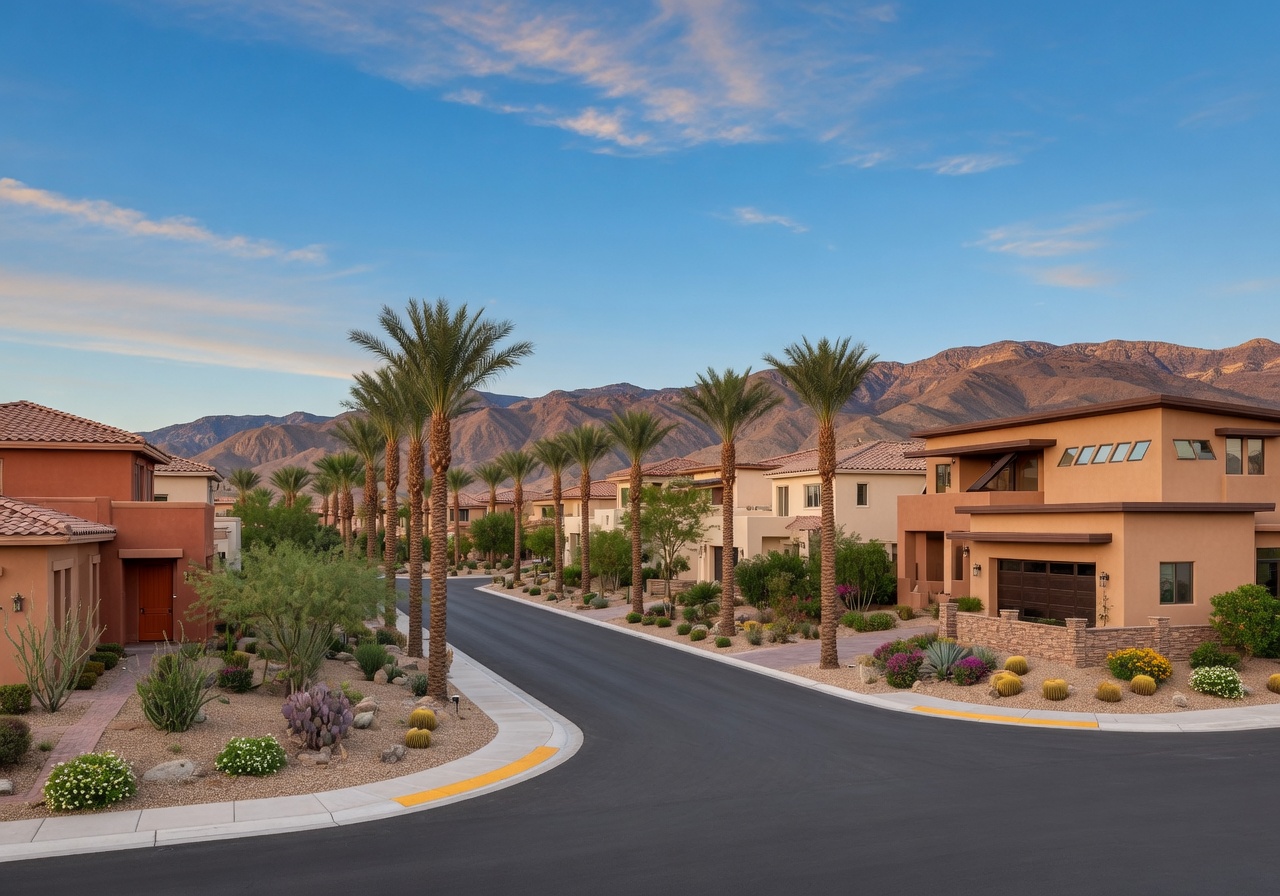
The Las Vegas housing market is undergoing a structural shift that every buyer, seller, and investor should understand. Housing inventory has surged by double-digit percentages compared to 2024, and the implications touch everyone in the market, from first-time buyers to long-time homeowners weighing whether to list.
This is not a crash. It is a correction, and a healthy one at that. But the distinction matters because the strategies that work in a low-inventory market are the exact opposite of what works when supply is rising.
The Numbers Behind the Surge
As of late 2025, active housing inventory in the Las Vegas metro area was up significantly year-over-year. The exact figure varies by source and submarket, but the trend is consistent: there are substantially more homes for sale than there were twelve months ago.
Days on market have climbed to approximately 55 days on average, up from the low 40s during the tighter market conditions of 2023 and early 2024. The median price for a single-family home has softened slightly, hovering near $470,000 with a year-over-year decline of roughly 2 percent.
Those numbers paint a clear picture. The market is shifting from a seller-dominated environment to something closer to balance. For the first time in years, buyers have options. They can take their time, compare properties, and negotiate with more leverage than they have had since 2019.
Why Inventory Is Rising
Several factors are driving the increase in available homes:
- New construction completions. Builders who started projects during the boom are now delivering finished homes to a market that has cooled since groundbreaking. That new supply is hitting the MLS at the same time that resale inventory is climbing.
- Rate lock-in fading. Some homeowners who were holding off on selling because they had sub-4 percent mortgage rates are now making moves. Life events, equity gains, and retirement plans are outweighing the desire to keep a low rate.
- Investor activity. Some institutional and individual investors are choosing to sell rental properties as the math on cash flow has shifted with higher rates and rising maintenance costs.
What This Means for Sellers
If you are thinking about selling in this market, the most important thing to understand is that pricing strategy matters more now than it has in years. In a rising-inventory environment, the first two weeks of a listing are critical. That is when your property gets the most attention from buyers and their agents. If the price is wrong at launch, the listing loses momentum, and the market remembers.
Accurate pricing is not about leaving money on the table. It is about generating competitive interest that drives the final price higher than an inflated list price that sits on the market for 90 days.
Presentation is equally important. With more inventory competing for buyer attention, professional staging, high-quality photography, and strategic marketing are no longer optional upgrades. They are the baseline for serious sellers.
What This Means for Buyers
The rise in inventory is good news for buyers, but it comes with a nuance. More options does not automatically mean better deals. Some properties are still priced aggressively, and the best homes in the most desirable neighborhoods still move quickly.
The advantage buyers have right now is negotiating leverage. Sellers who have been on the market for 40-plus days are often motivated. In many cases, they are willing to offer concessions, closing cost credits, or rate buydowns that would not have been on the table twelve months ago.
For first-time buyers, this market is a genuine opportunity. The combination of slightly lower prices, more negotiating room, and the ability to take time evaluating options creates conditions that favor thoughtful, well-prepared buyers.
The Economic Backdrop
The inventory surge is happening against a backdrop of economic strength in Las Vegas. The region continues to attract corporate relocations, infrastructure investment, and population growth. The Brightline high-speed rail project, new stadium developments, and technology-sector expansion all support long-term housing demand.
That economic momentum matters because it suggests the current inventory increase is cyclical, not structural. Las Vegas is not facing a scenario where demand has permanently declined. It is facing a scenario where supply has temporarily caught up to demand, and the market is finding a new equilibrium.
The Bottom Line
Rising inventory is the defining feature of the Las Vegas housing market right now. For sellers, it means precision in pricing, presentation, and marketing is essential. For buyers, it means opportunities exist for those who are prepared and patient.
The worst thing anyone can do in this market is make decisions based on fear or headlines. The data tells a clear story: the market is adjusting, not collapsing. Understanding the adjustment and positioning yourself accordingly is what separates good outcomes from great ones.
If you want to discuss how the current inventory conditions affect your specific plans, I am available for a no-obligation consultation. The difference between navigating this market with an experienced guide and navigating it alone is measured in dollars and peace of mind.
Over 30 years of Las Vegas real estate experience. Master Certification in Negotiation. Strategic partnerships with Zillow, HomeLight, Veterans United, Google, and Dave Ramsey's referral network.
Full Bio

Need help navigating the current market?
Javier provides data-driven strategy for buyers and sellers in every market condition.
Talk to Javier